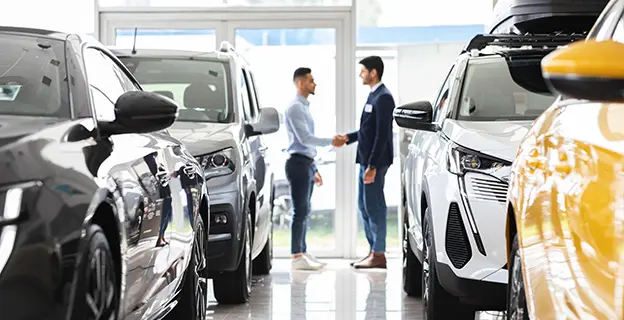
A successful dealership doesn’t happen by luck — it’s built on a structured, repeatable, and customer-focused sales process. Whether you’re managing a small independent lot or a large franchise store, creating a winning sales process is key to improving performance, customer satisfaction, and dealership profitability.
Let’s break down the essential steps and strategies to build a high-performing sales process that turns leads into lifelong customers.
1. Understand the Modern Buyer’s Journey
Today’s customers walk into your dealership with more information than ever. They’ve compared models, prices, and reviews online long before stepping onto the lot. Your sales process must align with this modern buyer — informed, confident, and expecting transparency.
Key things to understand:
- Most buyers spend weeks researching before visiting.
- Price isn’t the only deciding factor — trust and experience matter most.
- Your process must be flexible enough to meet customers wherever they are in their decision-making journey.
2. Master the Initial Greeting
The first impression sets the tone for the entire experience. A warm, professional, and confident greeting can immediately establish trust and comfort.
Best practices for greeting customers:
- Make eye contact, smile genuinely, and introduce yourself by name.
- Ask open-ended questions like “What brings you in today?” instead of “Can I help you?”
- Listen actively to identify what stage of the buying process they’re in.
A great greeting should feel natural, not scripted. It should convey genuine interest, not just sales intent.
3. Conduct a Needs Assessment
A professional salesperson doesn’t sell cars — they solve problems. A proper needs assessment helps identify what the customer truly values.
Focus on understanding:
- What they’re currently driving and what they like/dislike about it.
- Who the primary driver will be and what the vehicle will be used for.
- Budget expectations, desired features, and must-haves.
By gathering these insights early, you can tailor your presentation to what matters most — making it easier to align the product with the customer’s lifestyle and priorities.
4. Deliver a Value-Driven Vehicle Presentation
Once you’ve identified the right vehicle, it’s time to connect features to benefits. A great presentation focuses on how the car meets the buyer’s emotional and practical needs.
Tips for a powerful vehicle presentation:
- Highlight features that solve the customer’s specific needs (safety, fuel efficiency, technology).
- Demonstrate features in action rather than just explaining them.
- Keep the focus on why the vehicle is perfect for them — not just what it offers.
Remember: people buy benefits, not specifications.
5. Make the Test Drive Count
The test drive is the most persuasive part of the process. It allows customers to experience the vehicle firsthand — and it’s where emotions often override hesitation.
How to make it effective:
- Prepare the vehicle beforehand for a seamless experience.
- Encourage the customer to drive naturally, as they would daily.
- Ask questions that reinforce satisfaction, like “How does the ride feel compared to your current car?”
After the test drive, transition naturally into closing by emphasizing how well the vehicle fits their needs.
6. Present Pricing Transparently
Transparency is critical in today’s dealership environment. Customers appreciate honesty, even when discussing numbers.
When presenting pricing:
- Clearly explain the value they’re receiving, not just the cost.
- Show how the pricing reflects quality, warranty, service, and reputation.
- Avoid pressure tactics — focus on collaboration, not confrontation.
A confident, straightforward pricing discussion builds trust and keeps the deal moving forward.
7. Handle Objections with Empathy
Every great salesperson knows that objections are not rejections — they’re buying signals. They simply mean the customer needs more reassurance.
Steps to handle objections effectively:
- Listen completely before responding.
- Acknowledge the concern to show understanding.
- Reframe the objection by emphasizing value or clarifying misunderstanding.
- Confirm agreement before moving on.
Example:
Customer: “I need to think about it.”
Response: “I completely understand — it’s a big decision. What specific concern do you want to think through most?”
8. Close the Sale with Confidence
Closing isn’t about manipulation — it’s about timing and clarity. If you’ve built trust throughout the process, the close should feel natural.
Effective closing strategies:
- Assumptive Close: “Would you prefer to pick it up today or tomorrow?”
- Summary Close: Recap key benefits and how they align with the customer’s needs.
- Choice Close: Offer two positive options to guide the decision.
The goal is to make the customer feel confident, not pressured.
9. Follow Up and Build Long-Term Relationships
The sale doesn’t end at delivery — it’s the start of a relationship. Following up turns one-time buyers into repeat customers and brand advocates.
Best follow-up practices:
- Thank them personally after the sale.
- Send reminders for service appointments or maintenance.
- Reach out on key dates (purchase anniversary, birthdays, etc.).
- Ask for reviews and referrals politely after a positive experience.
A strong follow-up system is the lifeblood of consistent dealership growth.
10. Train Your Team Consistently
Even the best sales process fails without consistent execution. Continuous training ensures that every team member follows the same standards and best practices.
Invest in:
- Regular workshops and role-play sessions.
- Coaching and feedback from managers.
- Tracking performance metrics to measure improvement.
When everyone speaks the same “sales language,” your dealership delivers a seamless experience from the first greeting to the final handshake.